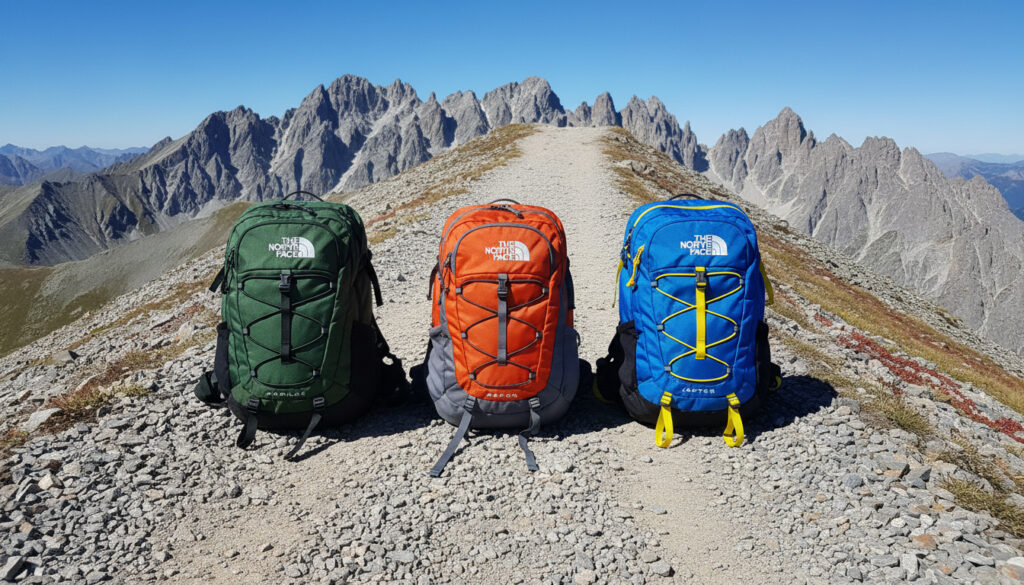
The North Face Backpack – Borealis vs Recon vs Jester
The North Face has established itself as a dominant force in the daypack market, with the Borealis, Recon, and Jester models representing the brand’s core offerings for students, commuters, and casual hikers. These three backpacks occupy distinct price tiers and feature sets, creating a hierarchy that ranges from premium technical materials to budget-conscious simplicity.
Selecting the appropriate model requires understanding capacity variations, material differences, and intended use cases. While the Borealis and Recon utilize water-repellent recycled ripstop nylon with YKK zippers for enhanced durability, the Jester employs lighter recycled polyester with SBS zippers to maintain affordability. This material distinction fundamentally separates the premium tier from the entry-level option.
Gender-specific sizing further complicates the selection process, with women’s versions often featuring reduced capacities and scaled torso dimensions compared to men’s counterparts. The Recon offers a unisex alternative at 30 liters, bridging the gap between the gendered Borealis and Jester lines.
What is the Best North Face Backpack?
Borealis, Recon, Jester
$50–$150
Lifetime on defects
School, hiking, travel
- Premium tier dominance: Borealis and Recon consistently outperform Jester in durability and organizational features for demanding use.
- Significant weight reduction: Jester models weigh approximately 7–9 ounces less than premium counterparts, prioritizing lightness over structure.
- Capacity hierarchy: Recon offers the largest volume at 30L, while women’s Jester packs provide only 22L—substantially limiting storage.
- Hardware differentiation: YKK zippers on premium models versus SBS zippers on Jester indicate clear quality tier separation.
- Gender versatility: Only the Recon functions effectively as a true unisex option; other models require gender-specific selection for proper fit.
- Value positioning: Jester frequently sells under $100 during promotional periods, while Borealis commands higher prices reflecting material costs.
| Feature | Borealis (Men’s/Women’s) | Recon (Unisex) | Jester (Men’s/Women’s) |
|---|---|---|---|
| Capacity | 28L / 27L | 30L | 28L / 22L |
| Material | Recycled ripstop nylon, YKK zippers | Recycled ripstop nylon, YKK zippers | Recycled polyester, SBS zippers |
| Weight | 2 lbs 5 oz / 2 lbs 1 oz | Similar to Borealis | 1 lb 10 oz / 1 lb 8 oz |
| Laptop Sleeve | Up to 15″ | Up to 15″ | Up to 15″ / 14″ |
| Front Storage | Elastic bungee system | Stretchy stash pocket | Basic mesh pockets |
| Support Features | Waist belt, lumbar support, compression straps | Waist belt, bottom compression straps | Sternum strap only |
North Face Borealis vs Recon: Key Differences
The North Face Recon vs Borealis comparison reveals two backpacks built from identical premium materials but engineered for divergent user priorities. Both employ water-repellent recycled ripstop nylon with YKK zippers and FlexVent suspension systems featuring air channels for ventilation.
Storage Solutions and External Access
Borealis integrates an elastic bungee system across the front panel, designed specifically for securing bulky items such as helmets, climbing shoes, or additional layers during active use. Recon substitutes this with a stretchy stash pocket positioned for rapid access, accommodating commuters who need to store bike locks or wet gear separately from main contents.
Internal Capacity and Organization
Recon provides 30 liters of storage—approximately 2–3 liters more than Borealis, equivalent to the volume of a 24-ounce water bottle. This additional depth concentrates in the main compartment, making Recon superior for bulky item transport. Borealis counters with enhanced organization including a dedicated fleece-lined pocket for sunglasses or electronics, plus a tablet sleeve absent from Jester configurations.
Choose Recon for urban cycling and daily commuting where quick-stash accessibility prevails; select Borealis for hiking and campus navigation requiring external compression for variable load sizes.
Structural Support Elements
Both models feature removable waist belts and sternum straps, though Borealis specifically emphasizes lumbar support for extended carry comfort. Recon employs bottom compression straps for load stabilization, while Borealis utilizes side compression to secure the bungee system contents. These distinctions reflect activity-specific engineering rather than quality differences.
Are North Face Backpacks Worth It? Durability and Warranty
Material Tier Analysis
The North Face Borealis vs Jester comparison illustrates the brand’s two-tier material strategy. Premium models utilize water-repellent recycled ripstop nylon, delivering superior tear resistance and longevity under stress. Jester employs recycled polyester with mesh components and SBS zippers—functional but lacking the hardware resilience of YKK components found in higher-end models.
Warranty Coverage Reality
North Face typically offers a lifetime warranty covering manufacturing defects for these backpack models, consistent with standard brand policy. However, specific warranty documentation for current iterations requires verification through official North Face channels. Coverage generally excludes normal wear, damage from misuse, or cosmetic degradation from regular use.
Long-Term Value Assessment
For users requiring daily transport of heavy textbooks or hiking equipment, the premium tier justifies additional cost through extended service life and ergonomic protection. Jester serves intermittent, light-use scenarios efficiently, though the hardware limitations suggest earlier replacement cycles under heavy stress. Price positioning places Jester frequently under $100 during sales, while Borealis maintains higher price points reflective of material investments.
North Face Backpack Sizes and Best Uses
Gender-Specific Sizing Variations
Men’s versions generally provide broader shoulder panels and extended back panels compared to women’s models. The women’s Borealis offers 27 liters—only one liter less than the men’s—while the women’s Jester drops to 22 liters, creating a substantial 6-liter deficit versus the men’s 28-liter capacity. This discrepancy significantly impacts cold-weather layering options for female users selecting the budget tier.
The Recon operates as a true unisex 30-liter option, eliminating the gender sizing gap present in Borealis and Jester lines while maintaining premium construction standards.
Activity-Based Selection Criteria
Students carrying laptops and binders find adequate capacity across all models, though heavy textbook loads favor Recon’s 30-liter depth. Hikers benefit from Borealis’s compression straps and waist belt for load stabilization on uneven terrain. Urban commuters prioritizing minimal weight and slim profiles align with Jester’s streamlined design, accepting the limitation of reduced support features.
Laptop sleeve dimensions vary by model and gender: women’s Jester accommodates only 14-inch devices versus 15-inch compatibility in men’s Jester and all Borealis/Recon configurations. Verify device measurements before selecting women’s specific models.
North Face Backpack Evolution and Testing Timeline
- : Backpacker Outdoors releases rankings highlighting Jester’s lightweight durability for students, noting its popularity for high school and undergraduate use.
- : Market analysis shows Jester pricing dropping below $100 during promotional periods, establishing its position as the entry-level segment leader.
- : Outdoor Gear Lab testing praises Recon for versatility across travel and daily use, confirming its capacity advantage in practical field conditions.
Verified Specifications vs. Unverified Information
| Established Information | Information Requiring Verification |
|---|---|
| Exact liter capacities: Borealis 28/27L, Recon 30L, Jester 28/22L | Current retail pricing for 2025, as rates fluctuate seasonally |
| Material specifications: ripstop nylon vs. polyester, YKK vs. SBS zippers | Specific warranty documentation for individual model years |
| Weight differentials between gender variants and tier levels | Long-term durability statistics under controlled testing conditions |
| Feature sets including fleece pockets, compression straps, and belt configurations | Availability of replacement parts for zipper repairs |
The North Face Backpack Tier System
The brand organizes its daypack offerings into a clear hierarchy that prioritizes either technical performance or economic accessibility. The premium tier—comprising Borealis and Recon—shares construction DNA including FlexVent suspension technology, air channel ventilation, and YKK hardware. These models target users crossing over between academic and outdoor environments, requiring gear that withstands abrasion from both trail debris and urban transit.
Jester occupies the entry tier, sacrificing premium hardware and advanced suspension to achieve weight reduction and cost efficiency. This positioning serves specific demographics: younger students, minimalists, and users requiring secondary bags for light daily loads. The tier system allows retailers like REI to segment inventory across price points while maintaining brand cohesion.
Material science drives the functional differences between tiers. Ripstop nylon’s tear-resistant grid pattern provides structural integrity that polyester cannot match under dynamic stress, explaining the price differential. However, for users transporting primarily digital devices and documents rather than sharp or heavy objects, Jester’s material limitations rarely compromise daily function.
Expert Assessments and Source Citations
Borealis and Recon offer better durability, comfort, and organization for school, hiking, or commuting, while Jester prioritizes lightness and affordability.
Comparative Analysis, Backpackies
2024 school rankings highlight Jester’s lightweight durability as a primary advantage for student users.
Recon praised in 2026 tests for versatility across travel and daily commuting scenarios.
Final Selection Guidance
Choose Borealis for versatile school-to-trail use requiring external storage and maximum comfort features, Recon for unisex capacity needs and urban commuting, or Jester for budget-conscious lightweight daily carry. Verify current warranty terms and model-specific comparisons before purchasing, noting that women’s Jester packs offer significantly reduced capacity compared to men’s versions.
Frequently Asked Questions
Do North Face backpacks have a lifetime warranty?
North Face typically provides lifetime warranty coverage for manufacturing defects on these models, though users should verify specific terms through official channels as documentation varies by production year.
Which North Face backpack offers the largest capacity?
The Recon unisex model provides 30 liters—2 to 3 liters more than Borealis and significantly larger than the women’s Jester at 22 liters.
Is the North Face Borealis suitable for hiking?
Yes, Borealis specifically excels for light hiking due to its removable waist belt, compression straps, and lumbar support system designed for load stabilization on uneven terrain.
What is the best North Face backpack for high school students?
Jester ranks highly for high school use due to lightweight construction and affordability, while Borealis serves students carrying heavy loads or requiring enhanced organization.
How do men’s and women’s North Face backpacks differ?
Men’s versions feature broader shoulder panels and larger back panels; women’s models reduce capacity—particularly in the Jester (22L vs 28L)—and scale torso dimensions for narrower frames.
Are North Face backpacks waterproof?
Borealis and Recon utilize water-repellent recycled ripstop nylon, while Jester uses standard recycled polyester. None offer fully waterproof submersion protection without additional rain covers.
Where can I find video comparisons of these models?
Video playlist resources comparing popular North Face backpack models are available through dedicated gear review channels featuring side-by-side functionality demonstrations.
More related posts
 What Does AD Stand For – Meaning, BC Comparison and History
 World Juniors 2026 Scores – Full Results and Schedule
 My Business Account CRA – How to Register and Log In
 Car Loan Calculator Canada: Best Free Tools & Rates
 Sally Nightmare Before Christmas – Complete Character Guide
 General Mills Discontinued Cereals – Full List, History, Alternatives
 Run Away to Mars: TALK Song Lyrics, Meaning & Guide
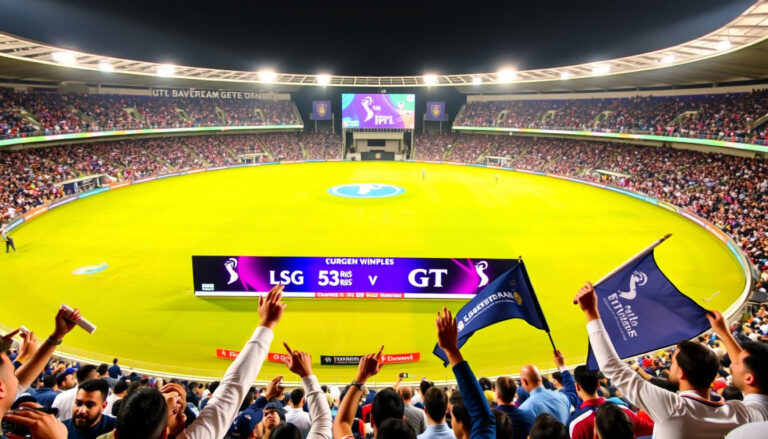 Lucknow Super Giants vs Gujarat Titans – LSG Wins by 33 Runs
